

Poderá gostar
Detalhes do Produto
- Editora: MacMillan
- Categorias:
- Ano: 2016
- ISBN: 9781447208266
- Número de páginas: 336
- Capa: Brochado
Sinopse
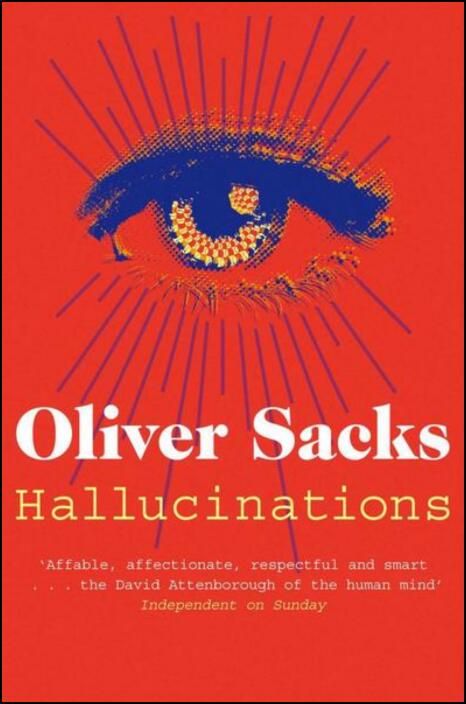
From the bestselling author of "Musicophilia "and "The Man Who Mistook His Wife for a Hat," a provocative investigation into hallucinations-auditory, visual, tactile, olfactory-their many guises, their physiological sources, and their personal and cultural resonances.
Hallucinations, for most people, imply madness. But there are many different types of non-psychotic hallucinations caused by various illnesses or injuries, by intoxication-even, for many people, by falling asleep. From the elementary geometrical shapes that we see when we rub our eyes to the complex swirls and blind spots and zigzags of a visual migraine, hallucination takes many forms. At a higher level, hallucinations associated with the altered states of consciousness that may come with sensory deprivation or certain brain disorders can lead to religious epiphanies or conversions. Drawing on a wealth of clinical examples from his own patients as well as historical and literary descriptions, Oliver Sacks investigates the fundamental differences and similarities of these many sorts of hallucinations, what they say about the organization and structure of our brains, how they have influenced every culture's folklore and art, and why the potential for hallucination is present in us all.