
Partilhar

Desconto: 10%
12,16 € 13,50 €
Wishlist Icon

Poderá gostar

Desconto: 10%
21,60 € 24,00 €
Wishlist Icon
Desconto: 10%
14,23 € 15,80 €
Wishlist Icon
Desconto: 10%
12,29 € 13,65 €
Wishlist Icon
Desconto: 10%
12,37 € 13,75 €
Wishlist Icon

Detalhes do Produto

Sinopse

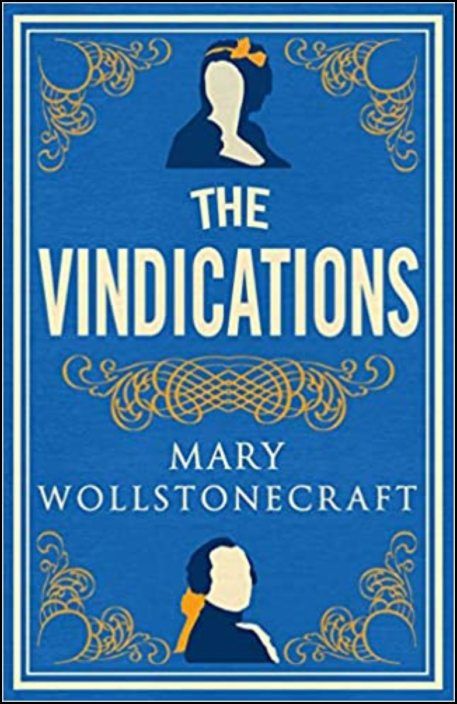
Written as a passionate riposte to Talleyrand’s report to the French National Assembly, in which he declared that women needed only a domestic education, A Vindication of the Rights of Woman attacked the traditional view of decorative femininity and deplored the educational restrictions and the “mistaken notions of female excellence” that degraded women and kept them in a state of “slavish dependence”. Indeed, independence, “the grand blessing of life”, was at the heart of Wollstonecraft’s philosophy, and it is a mark of the profound influence of her words that Virginia Woolf, writing almost a century and a half later, could state that “her originality has become our commonplace”.

As a companion piece, this volume also includes A Vindication of the Rights of Men – an earlier influential pamphlet advocating republicanism and social equality. The two Vindications, taken together, showcase Wollstonecraft’s rhetorical talents, as well as her brilliance and depth of thought as an anti-establishment polemist and social reformer.

Ler mais

Autor

Mary Wollstonecraft

Mary Wollstonecraft nasceu a 27 de abril de 1759 em Londres, Inglaterra. Em 1787, publicou o livro Thoughts on the Education of Daughters, tema a que se dedicaria com recorrência ao longo da vida. Em 1792, dois anos depois de publicar A Vindication of the Rights of Men, onde advoga o republicanismo e rejeita a ideia de aristocracia, escreve e publica a sua resposta ao relatório do príncipe e diplomata francês Charles Maurice de Talleyrand-Périgord perante a Assembleia Nacional Francesa, onde se declarava que as raparigas deviam receber apenas uma educação doméstica; em Uma Vindicação dos Direitos da Mulher: Contendo Críticas de Temas Políticos e Morais, considerado um dos primeiros textos de filosofia feminista, reclama para as mulheres os mesmos direitos fundamentais de que gozavam os homens. Parte para Paris, onde escreve uma história dos primeiros tempos da Revolução Francesa, An Historical and Moral View of the French Revolution, que publicou em Londres em 1794. Morreu, em 1798, na sequência do parto da segunda filha, Mary Wollstonecraft Shelley.

Ler mais